Designing a kitchen display system around service flow
A kitchen screen is not a digital receipt rail. It should reveal priority, course, station, delay, change, and responsibility at a glance.
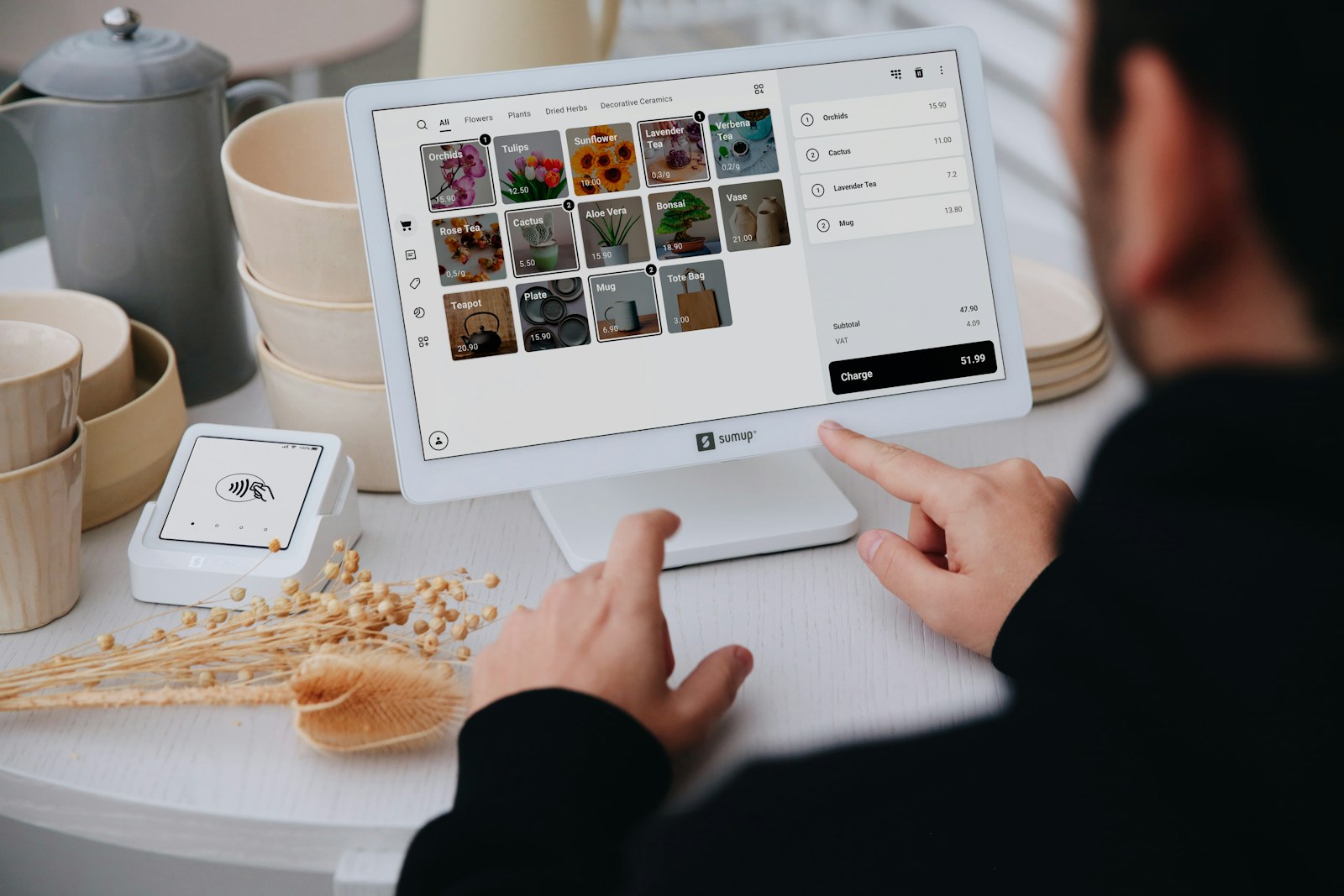
Tickets move differently through a quick-service counter, café, hotel kitchen, and multi-course restaurant. Copying the POS order onto a monitor adds light without improving coordination.
The useful question is not which trend or tool is most visible. It is which decision will improve the customer or operating outcome, what evidence supports it, and who will own the result after launch.
Reconciliation is part of the customer experience even when customers never see it. Orders, payments, inventory, refunds, shifts, and channels need identifiers that finance and operations can follow. When teams cannot explain a difference, they add manual controls that slow service and make the next discrepancy harder to diagnose.
The decision to make first
Map how an order splits across stations and rejoins for service. Design states for acceptance, preparation, hold, recall, change, completion, and exception.
- Use station-specific views with one shared order identity
- Make late items visible before they become complaints
- Distinguish additions from replaced instructions
- Keep touch targets usable with kitchen gloves
Where the plan usually breaks
Timers can motivate or create noise. Use thresholds tied to actual preparation and service promises, then let managers investigate patterns instead of blaming the screen.
Retail and restaurant systems live at the point where customer patience and operational pressure meet. Controls must be fast, legible, recoverable, and difficult to misuse during the busiest period. Test realistic combinations—returns, modifiers, splits, discounts, stock exceptions, device failure—not only the clean transaction shown in a demo.
The kitchen display should explain what matters next.
Measure the operating result
Track preparation distribution, recalls, remakes, missing items, station bottlenecks, and table completion. Average time alone hides the painful tail.
Treat the first release as the beginning of measurement. Record the baseline, make the smallest complete improvement, watch how real customers and staff use it, and let that evidence determine the next investment.
Written by Raion