A restaurant POS buying guide for Qatar
The right POS survives the Friday rush, reflects local payment and tax workflows, and gives kitchen, floor, management, and finance the same order truth.
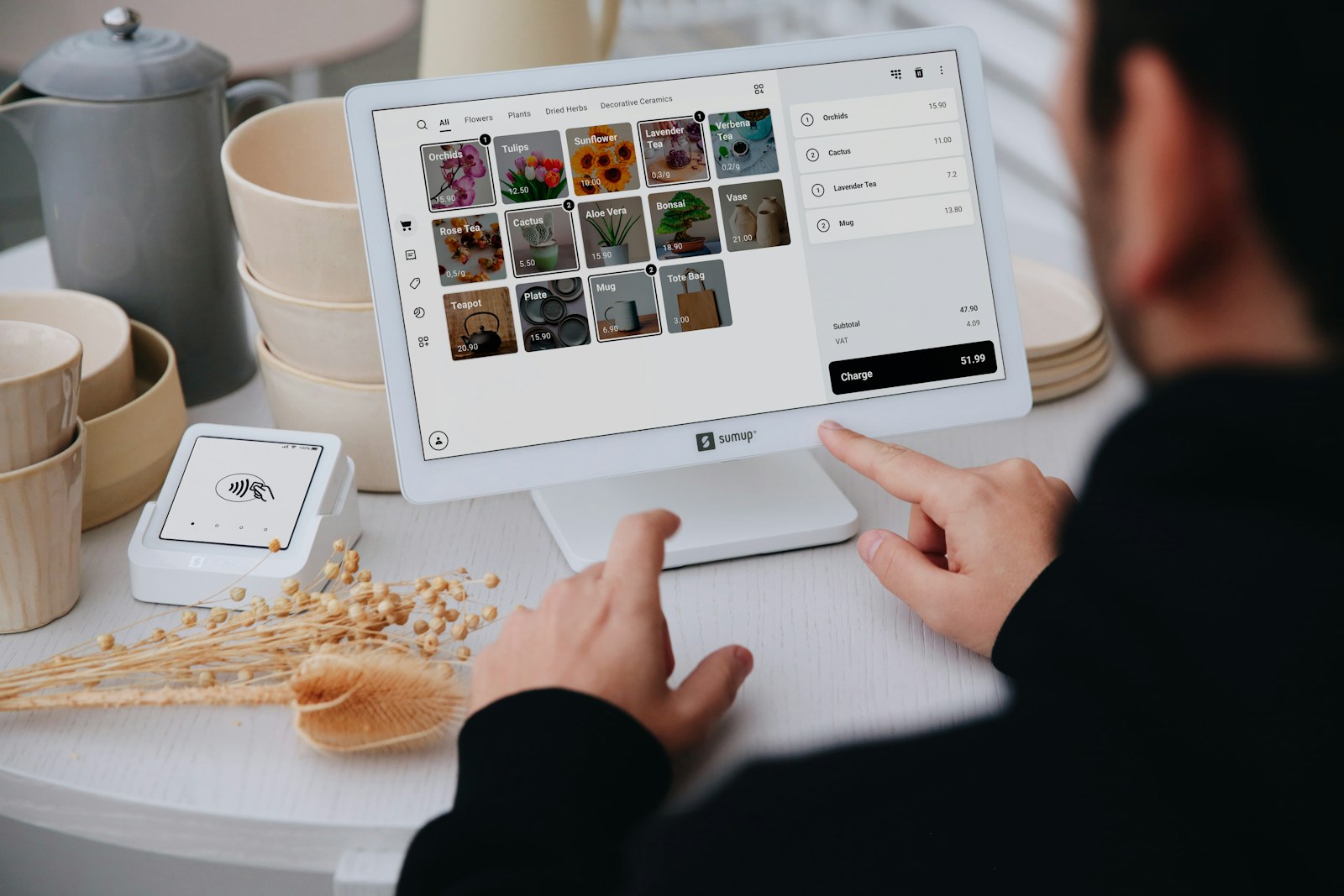
A smooth sales demo rarely shows split bills, modifiers, printer failure, offline orders, void approvals, delivery channels, shift handover, and month-end reconciliation happening together.
The useful question is not which trend or tool is most visible. It is which decision will improve the customer or operating outcome, what evidence supports it, and who will own the result after launch.
Reconciliation is part of the customer experience even when customers never see it. Orders, payments, inventory, refunds, shifts, and channels need identifiers that finance and operations can follow. When teams cannot explain a difference, they add manual controls that slow service and make the next discrepancy harder to diagnose.
The decision to make first
Evaluate the system through real service scenarios. Bring operators from front of house, kitchen, finance, and management into the test with the messiest orders they handle.
- Run a full offline service simulation
- Test modifiers, courses, splits, refunds, and voids
- Reconcile every payment channel
- Confirm support coverage during trading hours
Where the plan usually breaks
Low subscription cost can hide proprietary hardware, paid integrations, weak exports, and support dependency. Price the complete operating stack over several years.
Retail and restaurant systems live at the point where customer patience and operational pressure meet. Controls must be fast, legible, recoverable, and difficult to misuse during the busiest period. Test realistic combinations—returns, modifiers, splits, discounts, stock exceptions, device failure—not only the clean transaction shown in a demo.
Buy the POS for the difficult shift, not the quiet demonstration.
Measure the operating result
Track ticket loss, order errors, payment differences, service time, stock variance, and support downtime. Reliability is the feature customers feel.
Treat the first release as the beginning of measurement. Record the baseline, make the smallest complete improvement, watch how real customers and staff use it, and let that evidence determine the next investment.
Written by Raion